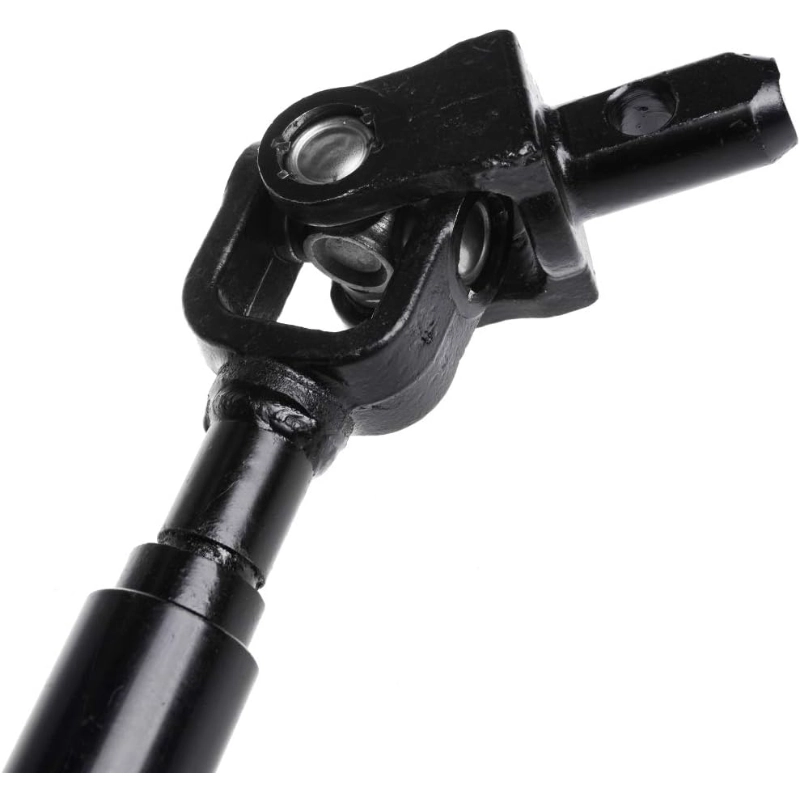
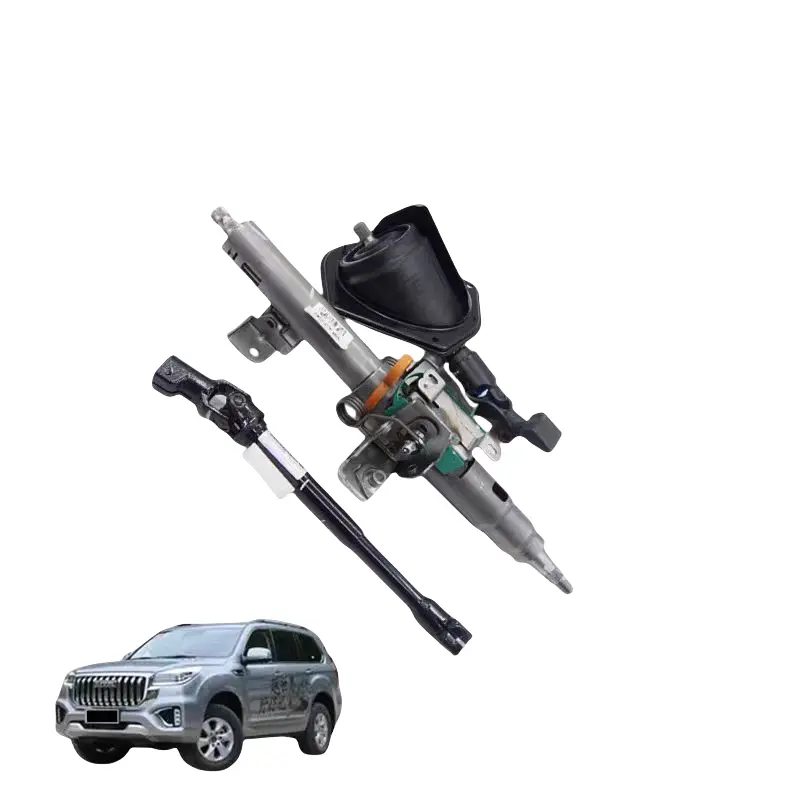
Adapting Electric Power Steering Systems to Different Car Models
Release time: 2026-01-14
Table of Contents
Electric power steering (EPS) systems have revolutionized the automotive industry, offering enhanced control, improved fuel efficiency, and reduced vehicle weight compared to traditional hydraulic systems. As car manufacturers diversify their model offerings, adapting EPS technology to various vehicles has become essential. This article explores the key considerations and methods for effectively implementing electric power steering across different car models.
Understanding Electric Power Steering
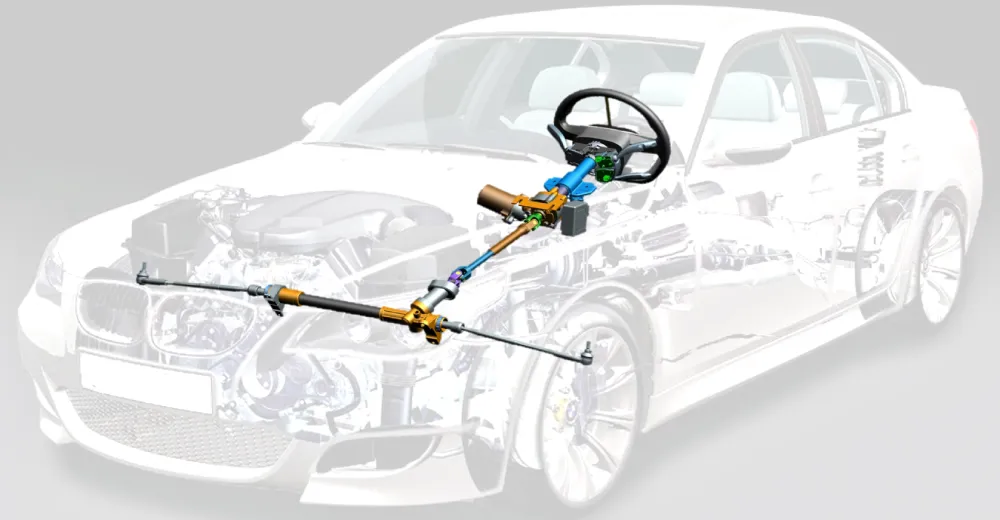
Before diving into the adaptation process, it’s crucial to understand what electric power steering is. Unlike hydraulic systems that rely on fluid pressure generated by a pump, EPS uses an electric motor to assist the driver in steering. This innovation allows for greater flexibility in design and tuning, making it easier to customize steering feel and responsiveness for different vehicle types.
Benefits of EPS
- Fuel Efficiency: EPS systems draw power only when needed, leading to lower energy consumption compared to constantly running hydraulic pumps.
- Weight Reduction: Eliminating hydraulic components results in lighter vehicles, contributing to improved overall efficiency.
- Enhanced Control: EPS can be fine-tuned for various driving conditions, providing improved handling and feedback.
- Integration with Advanced Driver Assistance Systems (ADAS): EPS can seamlessly integrate with safety features like lane-keeping assist and adaptive cruise control, enhancing overall vehicle performance.
Key Considerations for Adapting EPS
When adapting electric power steering systems to different car models, several factors must be taken into account:
1. Vehicle Type and Size
The size and type of the vehicle significantly influence the design of the EPS system. For example:
- Compact Cars: Generally require a lighter, more responsive EPS setup to enhance maneuverability.
- SUVs and Trucks: Need a more robust system to handle the weight and larger tire sizes, which demand more steering assistance.
2. Steering Ratio
Different vehicles employ varying steering ratios based on their intended use. Sports cars may have a quicker ratio for agile handling, while larger vehicles may benefit from a slower ratio for stability. EPS systems should be designed to accommodate these ratios, which can be achieved through software programming and mechanical adjustments.
3. Tuning and Calibration
EPS systems can be finely tuned to provide the desired steering feel. This involves adjusting parameters such as:
- Assist Level: Determining how much assistance the motor provides based on vehicle speed and driver input.
- Feedback Sensitivity: Adjusting how much road feel the driver receives through the steering wheel. These calibrations can be achieved through software updates, allowing manufacturers to tailor the EPS experience to each model’s target audience.
4. Integration with Other Systems
Modern vehicles often feature numerous electronic systems that interact with the EPS. Ensuring that the EPS works harmoniously with braking systems, traction control, and stability systems is crucial. This integration enhances overall vehicle safety and performance, particularly in advanced safety features.
5. Environmental Considerations
As the automotive industry shifts towards sustainability, EPS systems must also consider environmental factors. Manufacturers are increasingly focusing on using recyclable materials and energy-efficient manufacturing processes to produce EPS components.
Implementation Strategies
To effectively adapt EPS to various car models, manufacturers can employ several strategies:
1. Modular Design
Developing a modular EPS system enables manufacturers to create a standardized platform that can be easily customized for different models. This approach reduces development costs and time while maintaining the flexibility required for diverse vehicle applications.
2. Software Flexibility
Utilizing sophisticated software algorithms allows for rapid adjustments to EPS characteristics. Manufacturers can develop a base software package that can be modified for specific vehicle requirements, ensuring optimal performance across the lineup.
3. Prototyping and Testing
Before full-scale production, prototyping and rigorous testing are essential. Manufacturers should perform extensive testing under various conditions to refine the EPS system’s performance and ensure it meets safety and regulatory standards.
4. Collaboration with Suppliers
Working closely with component suppliers can lead to innovations in EPS technology. Collaborating with experts in electric motor design, sensors, and software development can result in a more efficient and effective EPS system tailored to specific vehicle needs.
Future Trends in Electric Power Steering
As automotive technology continues to evolve, several trends may shape the future of electric power steering:
1. Enhanced Connectivity
With the rise of connected vehicles, EPS systems may become even more integrated with other vehicle systems and external data sources, allowing for real-time adjustments based on driving conditions.
2. Autonomous Driving
The shift towards autonomous vehicles will likely increase the demand for advanced EPS systems capable of handling complex steering tasks without driver input. This evolution will require innovative approaches to EPS design and functionality.
3. Increased Customization
As consumers seek more personalized driving experiences, manufacturers may offer adjustable EPS settings that allow drivers to choose their preferred steering feel, further enhancing vehicle appeal.
Conclusion
Adapting electric power steering systems to different car models presents both challenges and opportunities for automotive manufacturers. By considering factors such as vehicle type, steering ratios, and integration with other systems, companies can create tailored solutions that improve vehicle performance and driver satisfaction. As technology continues to advance, the future of electric power steering looks promising, paving the way for innovations that enhance the driving experience for all vehicle types. Embracing modular designs, software flexibility, and collaboration will be key in staying ahead in this competitive landscape.
FAQ
What is electric power steering (EPS)?
EPS is an advanced steering system that uses an electric motor to assist drivers in steering, enhancing control and fuel efficiency compared to traditional hydraulic systems.
How does EPS improve vehicle performance?
EPS allows for customizable steering feel, weight reduction, and better integration with advanced driver assistance systems, ultimately enhancing overall vehicle performance.
How does our Electric Power Steering (EPS) system adapt to different vehicle models?
Nosen’s EPS systems provide hardware and software integration solutions for different OEM platforms through customized integration services. This includes system tuning and matching to ensure it meets the performance requirements of specific vehicle models.