
The Ultimate Guide to Buying Electric Power Steering System Components in 2026
Release time: 2025-12-31
Table of Contents
As the automotive industry continues to evolve, electric power steering (EPS) systems have become a popular choice among manufacturers and consumers alike. Known for their efficiency, precision, and adaptability, EPS systems are increasingly being integrated into modern vehicles. If you’re looking to buy electric power steering system components in 2026, this comprehensive guide will help you navigate the market and make informed decisions.
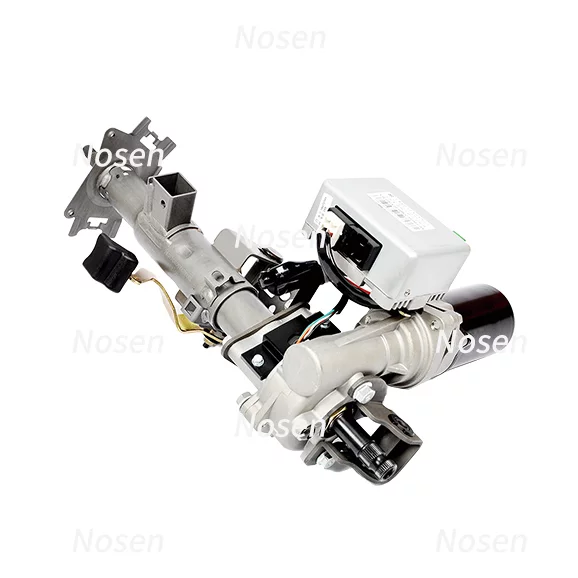
Understanding Electric Power Steering Systems
Before diving into the components, it’s essential to understand what an electric power steering system is and how it works. Unlike traditional hydraulic systems, which rely on fluid pressure to assist steering, EPS uses an electric motor to provide assistance. This results in several advantages:
- Fuel Efficiency: EPS systems consume less energy than hydraulic systems, contributing to improved fuel economy.
- Weight Reduction: With fewer components, EPS systems are lighter, enhancing vehicle performance.
- Enhanced Control: Electric systems can be easily adjusted for varying driving conditions, offering a more tailored driving experience.
Key Components of Electric Power Steering Systems
When purchasing components for an EPS system, it’s crucial to know the primary parts involved:
- Steering Column: The steering column connects the steering wheel to the steering mechanism. Ensure it is compatible with your vehicle model.
- Electric Motor: The heart of the EPS system, the electric motor provides the necessary torque to assist steering. Look for motors with high efficiency and durability ratings.
- Control Module: This component regulates the electric motor’s output based on steering input and vehicle speed. Choose a control module that offers reliable performance and compatibility with your vehicle’s onboard systems.
- Torque Sensor: This sensor detects the amount of force applied to the steering wheel, allowing the system to adjust the level of assistance. Opt for high-quality sensors for accurate readings.
- Wiring Harness: The wiring harness connects all electrical components of the EPS system. Ensure that it fits your vehicle and is made from durable materials to withstand wear and tear.
- Power Supply: A reliable power source is essential for the operation of EPS systems. Check the voltage requirements and ensure compatibility with your vehicle’s electrical system.

Where to Buy Electric Power Steering Components
1. Authorized Dealers
For those who prefer OEM parts, authorized dealers are the best option. They provide genuine components that guarantee compatibility and warranty support. While often more expensive, the assurance of quality and fit can be worth the investment.
2. Aftermarket Suppliers
If you’re looking for cost-effective alternatives, many aftermarket suppliers offer high-quality EPS components. These parts can be a great option if you’re working with a budget. However, ensure that you research the manufacturer’s reputation and read reviews to avoid subpar products.
3. Online Marketplaces
Websites like Amazon, eBay, and specialized automotive parts retailers provide a vast selection of EPS components. When shopping online, it’s crucial to check seller ratings, return policies, and product warranties. Additionally, compare prices across platforms to ensure you get the best deal.
4. Local Auto Parts Stores
Local auto parts stores often carry a range of EPS components. Visiting a store allows you to consult with knowledgeable staff who can help you find the right parts for your vehicle. Moreover, you can avoid shipping costs and delays associated with online orders.
Tips for Choosing the Right Components
- Compatibility: Always verify that the components you choose are compatible with your specific vehicle make and model. Refer to the owner’s manual or consult with a professional if unsure.
- Quality Assurance: Opt for components that come with a warranty or satisfaction guarantee. This ensures that you are protected against defects and can have peace of mind regarding your purchase.
- Performance Ratings: Research performance ratings and reviews for the components you are considering. Customer feedback can provide valuable insights into the reliability and effectiveness of specific parts.
- Installation Requirements: Consider whether you will be installing the components yourself or hiring a professional. Some parts may require specialized tools or expertise, so factor in installation costs if necessary.
- Environmental Considerations: As sustainability becomes increasingly important, look for components that are environmentally friendly or produced by manufacturers committed to reducing their ecological footprint.
Conclusion
Investing in electric power steering system components in 2026 can significantly enhance your vehicle’s performance and driving experience. By understanding the key components, where to buy them, and tips for making the right choices, you can ensure a smooth and efficient steering system. Whether you opt for OEM parts or high-quality aftermarket alternatives, prioritize compatibility, quality, and performance to enjoy the full benefits of your electric power steering system. Happy driving!
FAQ
Q1: What are the main components of an electric power steering system?
A1: The main components include the steering column, electric motor, control module, torque sensor, wiring harness, and power supply.
Q2: How do I know if the electric power steering components are compatible with my vehicle?
A2: Always check your vehicle’s owner manual, or consult with a professional or parts dealer to ensure compatibility.
Q3: Can I install electric power steering components myself?
A3: While some components may be DIY-friendly, others might require professional installation due to specialized tools or expertise.

