Why You Should Consider Replacing Your Intermediate Steering Shaft
Release time: 2025-12-17
Table of Contents
When it comes to maintaining your vehicle, the intermediate steering shaft is often an overlooked component. However, this crucial part plays a significant role in your car’s steering system and overall driving experience. In this article, we will delve into what an intermediate steering shaft is, its symptoms of failure, and why you should consider replacing it to ensure your vehicle remains safe and enjoyable to drive.
Understanding the Intermediate Steering Shaft
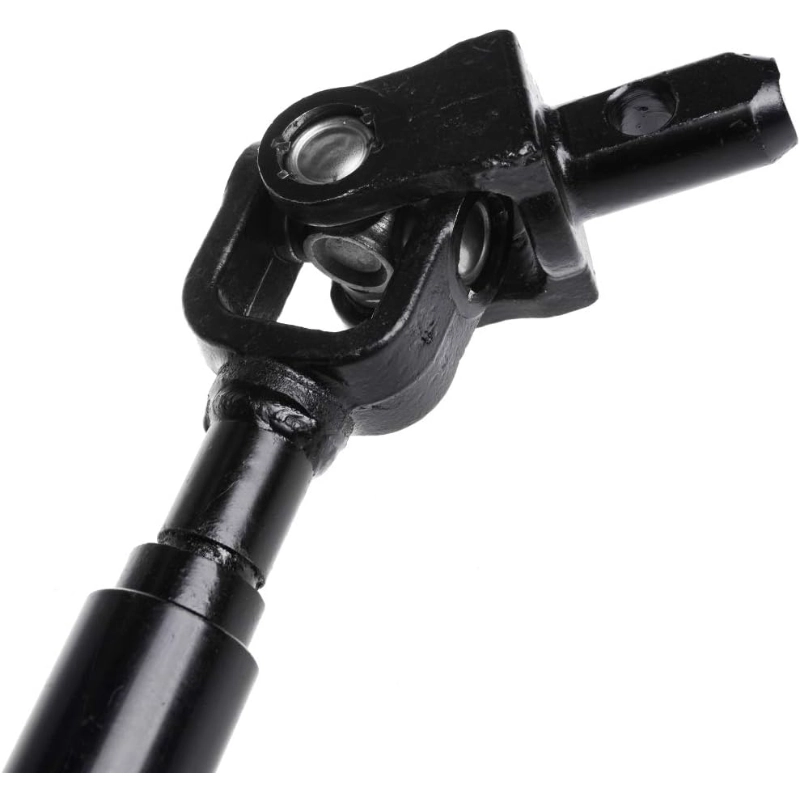
The intermediate steering shaft is a pivotal part of the steering system that connects the steering column to the steering gear. Its primary function is to transfer the driver’s steering input to the wheels, allowing for precise maneuvering. This component can vary in design but typically includes universal joints or flexible couplings to compensate for any misalignments and provide a smooth steering experience.
Key Functions of the Intermediate Steering Shaft
- Connection: It connects the steering wheel to the steering gear, facilitating the driver’s commands to the front wheels.
- Flexibility: The design allows for some flexibility to accommodate the movement of the vehicle’s chassis.
- Durability: Made from robust materials, the intermediate steering shaft is designed to withstand wear and tear over time.
Signs of a Failing Intermediate Steering Shaft
Recognizing the signs of a failing intermediate steering shaft early can save you from more extensive repairs down the line. Here are some warning signs to watch out for:
1. Steering Wheel Vibration
If you notice vibrations in the steering wheel, especially during turns or at high speeds, it may indicate issues with the intermediate steering shaft. This vibration can stem from worn bearings or joints within the shaft, leading to an unstable driving experience.
2. Loose Steering Feel
A loose or unresponsive steering feel can signal a problem with the intermediate steering shaft. If the shaft is worn or damaged, it may not properly transmit the driver’s inputs to the wheels, causing an unsafe driving condition.
3. Clunking Noises
Hearing clunking or popping noises when turning the steering wheel is another red flag. These sounds could indicate that the universal joints within the intermediate steering shaft are failing, resulting in poor handling and potential safety issues.
4. Difficulty Steering
Struggling to turn the steering wheel or feeling resistance can also be a sign of a failing intermediate steering shaft. If the shaft is binding or has seized up, it can lead to significant steering difficulties, compromising your control of the vehicle.
Why You Should Replace Your Intermediate Steering Shaft
Now that we’ve discussed the symptoms of a failing intermediate steering shaft, let’s explore the reasons you should consider replacing this essential component.
1. Enhanced Safety
The most compelling reason to replace a failing intermediate steering shaft is safety. A malfunctioning steering system can lead to loss of control while driving, increasing the risk of accidents. By replacing the intermediate steering shaft, you ensure that your steering system operates as intended, providing reliable control of your vehicle.
2. Improved Driving Experience
A new intermediate steering shaft can dramatically enhance your driving experience. You’ll notice smoother steering, better responsiveness, and a reduction in unwanted vibrations. This improved handling can make your daily commute or weekend drives much more enjoyable.
3. Prevent Further Damage
Ignoring the signs of a failing intermediate steering shaft can lead to more extensive damage within the steering system. Other components, such as the steering column or rack and pinion, may also suffer damage if the issue is not addressed promptly. Replacing the intermediate steering shaft can prevent costly repairs down the line.
4. Increased Vehicle Value
If you’re considering selling your vehicle or trading it in, ensuring that all components are functioning correctly—including the intermediate steering shaft—can help maintain its value. Potential buyers will appreciate a well-maintained vehicle with a responsive steering system.
5. Cost-Effective Maintenance
While replacing an intermediate steering shaft may involve an upfront cost, it is a cost-effective maintenance step compared to ignoring the problem. Addressing the issue early can prevent more severe repairs that could arise from continued use of a failing component.
The Role of NOSEN in Automotive Parts Manufacturing
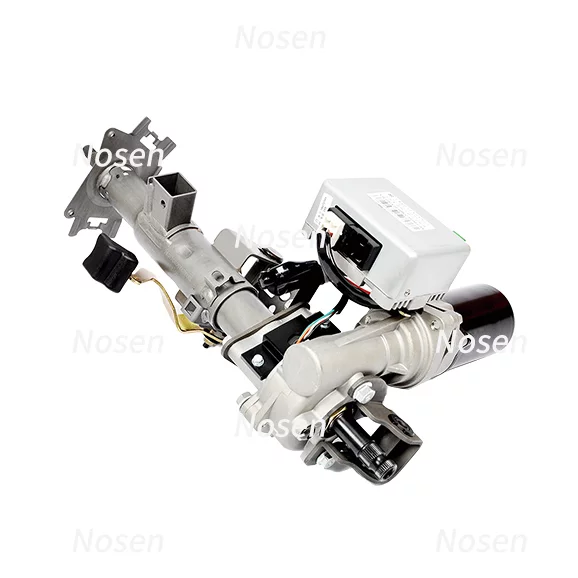
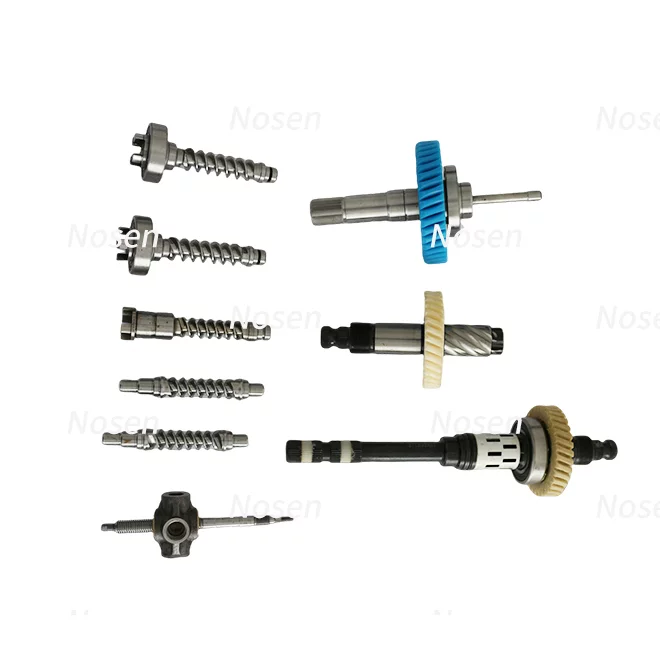
At this point, it’s worth mentioning the quality of parts used in steering systems. NOSEN has been engaged in research and development for more than ten years, specializing in the production of automotive components, including electric steering worm gears, output shafts, worm gears, spline shafts, steering shafts, coupling shafts, and input shafts. With a commitment to quality, NOSEN is equipped with advanced quality testing instruments, production lines, and laboratories, ensuring that every component meets rigorous standards.
Using high-quality parts like those produced by NOSEN can significantly impact the performance and reliability of your vehicle’s steering system. When replacing your intermediate steering shaft, opting for trusted manufacturers ensures durability and optimal performance, ultimately enhancing your driving safety.
How to Replace an Intermediate Steering Shaft
If you’ve decided to replace the intermediate steering shaft, you have two options: DIY or professional installation. Here’s a brief overview of both approaches.
DIY Replacement
For those with mechanical experience, replacing the intermediate steering shaft can be a manageable task. Here’s a simplified outline of the steps involved:
- Gather Tools: You’ll need basic hand tools, such as wrenches, sockets, and screwdrivers, as well as safety equipment like gloves and goggles.
- Lift the Vehicle: Safely lift the vehicle using jack stands to access the steering components.
- Remove Components: Disconnect any necessary components obstructing access to the intermediate steering shaft, such as the steering column covers.
- Replace the Shaft: Remove the old intermediate steering shaft and install the new one, ensuring all bolts are tightened to manufacturer specifications.
- Reassemble: Put everything back together, double-checking that all connections are secure.
Professional Installation
If you’re not comfortable tackling the replacement yourself, seeking a professional mechanic is a wise choice. They have the expertise and tools necessary to perform the replacement efficiently and safely, ensuring that your vehicle is back on the road in no time.
Conclusion
The intermediate steering shaft is a critical component of your vehicle’s steering system that should not be ignored. Recognizing the signs of failure and understanding the importance of replacement can enhance your safety, improve your driving experience, and prevent further damage to your vehicle. Whether you choose to replace it yourself or seek professional help, addressing any issues with the intermediate steering shaft promptly will keep your vehicle running smoothly and safely. Don’t wait until it’s too late—consider replacing your intermediate steering shaft today! If you’re looking for quality steering shaft components for the job, remember that NOSEN offers a wide range of reliable automotive parts designed for superior performance and longevity.